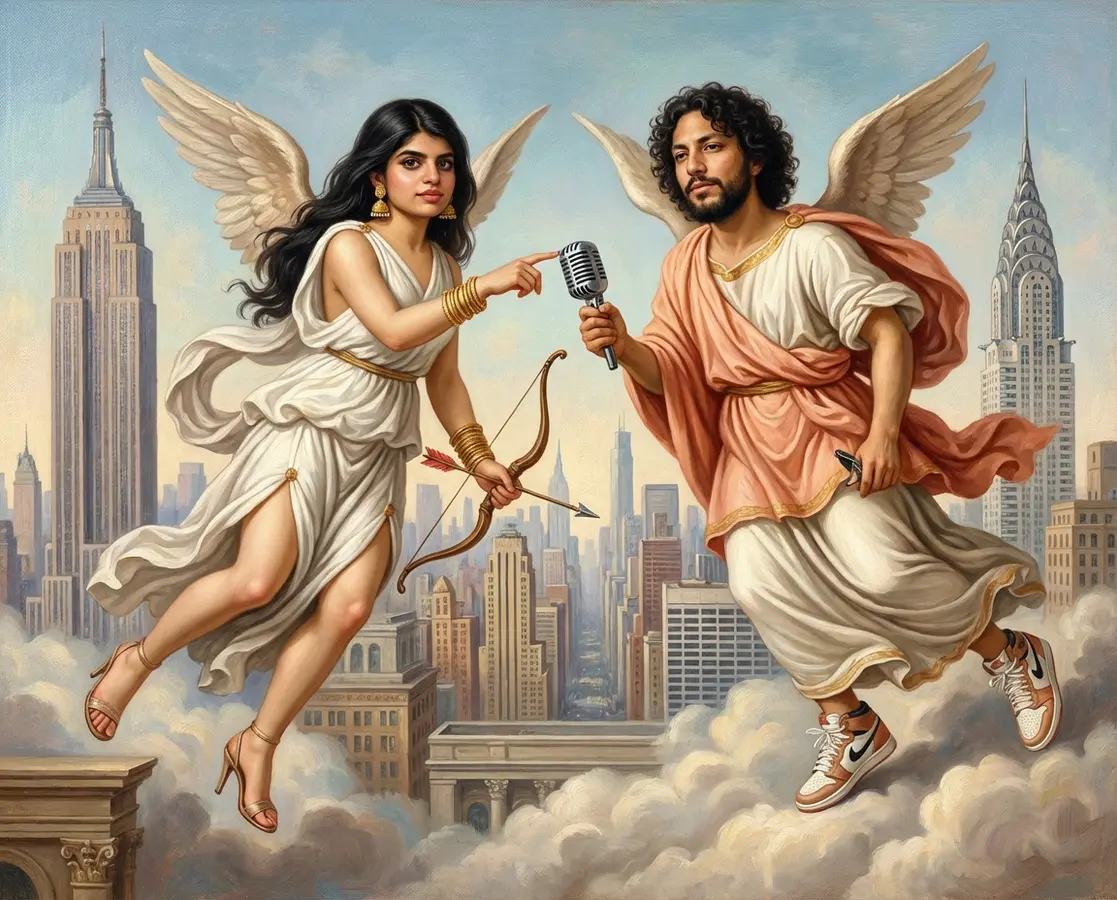
Desi situationships are real and they have a specific flavor that general situationship advice doesn't capture. The undefined thing that you've been doing for eight months that both of you are pretending is fine. The person who's perfect on paper but can't tell their parents about you. The relationship that's real in every way except the word "relationship." This is not a uniquely desi phenomenon, but the desi version has its own specific architecture. Let's name it.
Why situationships thrive in desi culture
The first reason is the secrecy pressure. Brown dating often involves keeping the relationship private until it's serious enough to withstand family scrutiny. The problem is that "serious enough" is a moving target. When making the relationship official has social consequences, telling family, managing community perception, starting a whole conversation, the undefined middle becomes a permanent address rather than a temporary stop.
The second reason is the arranged vs love tension. Someone who's not sure whether they're going to pursue a rishta process or a love marriage has a structural incentive to keep things undefined. If you might eventually go the arranged route, committing to a love relationship now costs you that option. The situationship is the hedge that lets you keep both doors open while walking slowly toward neither.
The family veto situationship
A specific desi situationship type: the relationship that both people know is real, where both people have genuine feelings, but which can't move forward because of a perceived or actual family veto. The religion difference. The caste difference. The family that "would never accept" this person. Sometimes the family veto is real and non-negotiable. More often it's a projection, an assumed obstacle that neither person has actually tested. Situationships that exist because of imagined family vetoes are the saddest variety because they're the most avoidable.
The cost of staying undefined
Situationships have costs that compound over time. The emotional cost of caring about someone whose level of commitment is unclear. The time cost of investing in something that might not be real. The social cost, in desi communities particularly, of being in a relationship that has no official status and therefore no protection from community rumor or parental override.
There's also the identity cost. Staying in an undefined situation to avoid the discomfort of having a direct conversation is practice in prioritizing other people's comfort over your own clarity. That habit compounds. The brown people who are best at dating, who have the most functional, honest, direct relationships, are the ones who got over the fear of the defining conversation early.
How to have the conversation you've been avoiding
The direct version: "I like you and I've been enjoying this, but I need to understand what this is. I'm not going to keep investing in something that isn't going anywhere." This is not an ultimatum. It's information exchange. You're telling them what you need to know. They either have an answer that moves things forward or they don't. Either outcome is better than continued indefiniteness.
In the specifically desi version of this conversation, it sometimes helps to name the obstacle directly: "I know the family situation is complicated. I'm not asking you to solve that today. I am asking whether you see this as something worth figuring out, or whether I should stop treating it like it is." That framing acknowledges the real complication without accepting it as a permanent excuse.
Getting off the situationship loop
The people who repeatedly end up in situationships are usually operating from the same underlying pattern: avoiding the direct conversation because the answer might be "no," and preferring the indefinite maybe to the definitive no. This is understandable. It's also a really efficient way to waste a lot of years on maybes.
One of the things I love about Garam Masala Dating is that it makes the direct conversation impossible to avoid. You're on stage. There's an audience. The situation is, by definition, defined. The whiteboard reveals at the end are the anti-situationship. Both people say, publicly and simultaneously, what the date meant to them. As our 100 desi blind dates showed us, that forced directness is terrifying and also clarifying in a way that months of undefined texting will never be. Come to the show. Practice saying what you actually think, out loud, to another person. It gets easier.